Strategic Supply-Chain Realities in Private Label Apparel
The decision to source private label clothing involves complex considerations that stretch beyond mere cost calculations. Brands must navigate the intricate dynamics of quality, compliance, flexibility, and logistics. As the fashion industry leans towards ethical production and sustainability, the European textile manufacturing landscape, particularly in Northern Portugal, has emerged as a vital player, providing a balanced approach to these challenges.
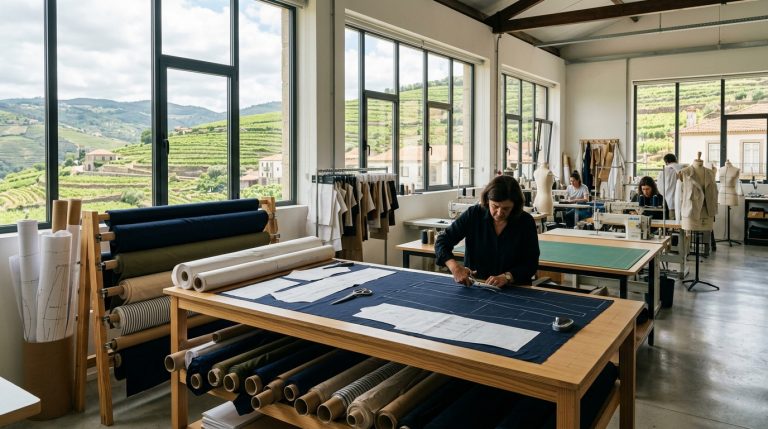
Portugal Textile, founded in 2007 by Paulo Silva, orchestrates over 20 specialized partner factories across the Northern regions of Guimarães, Barcelos, Famalicão, and Braga, offering comprehensive solutions from design to delivery. This network exemplifies a synchronized model of full-package development, crucial for brands aiming for both scalability and bespoke quality.
Technical Fabric Specifications and Capabilities
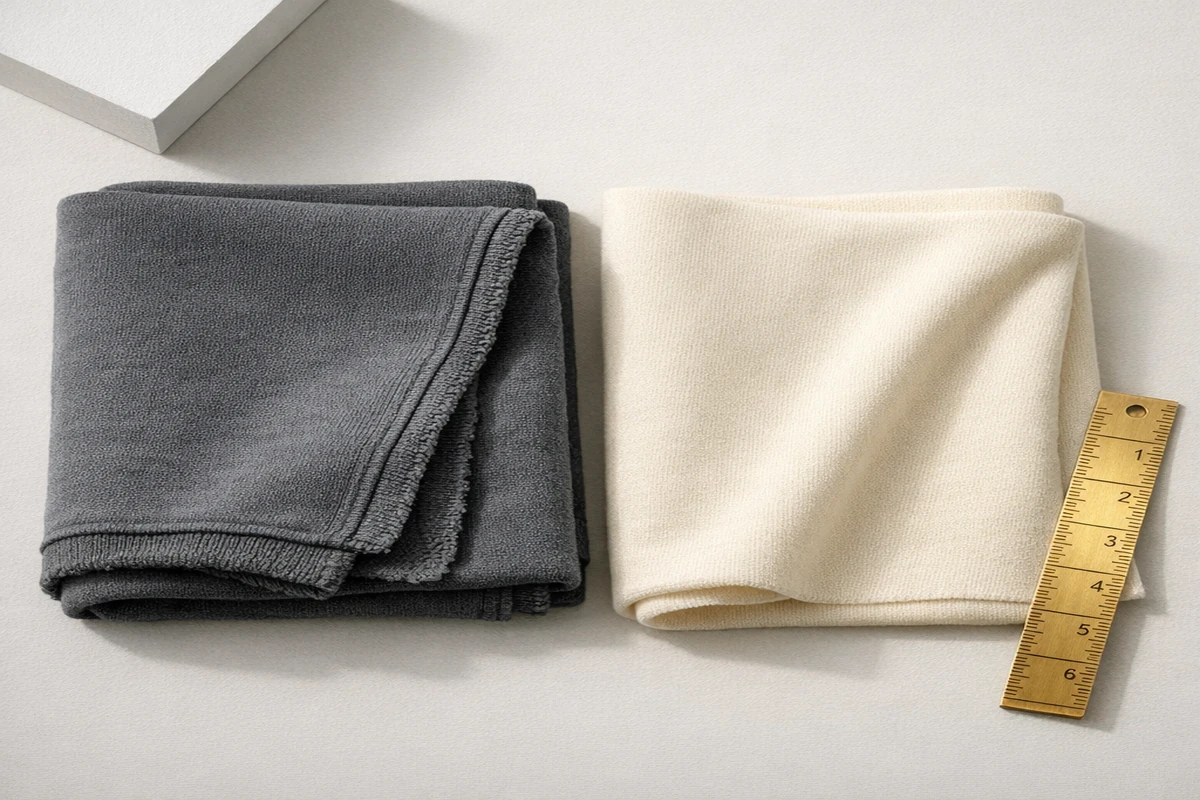
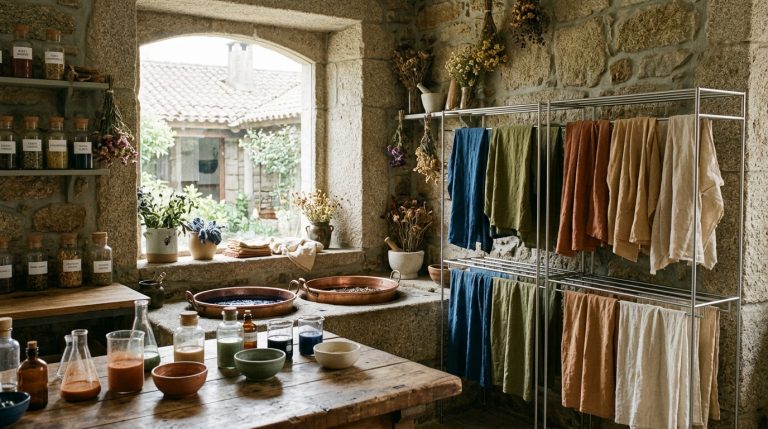
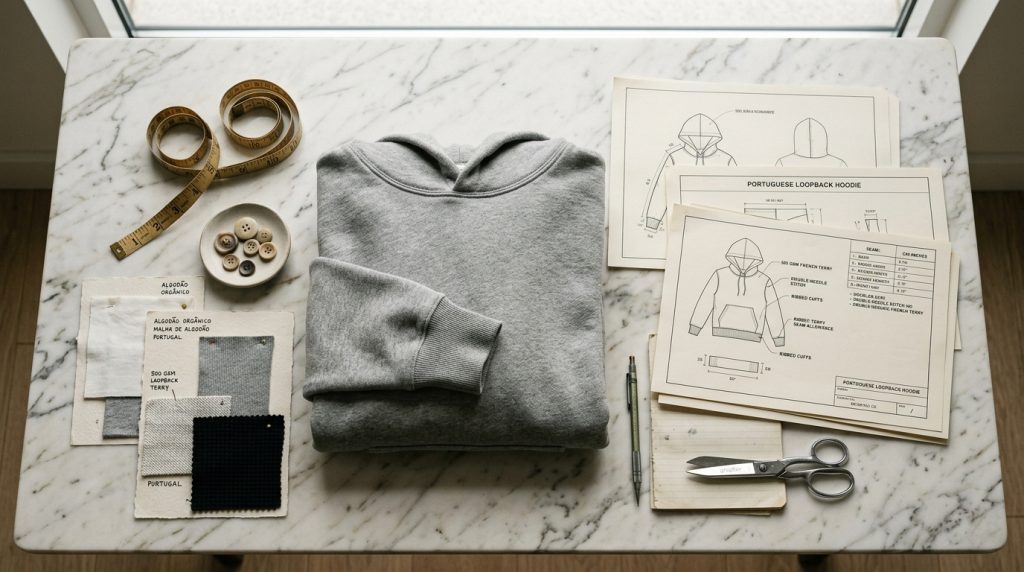
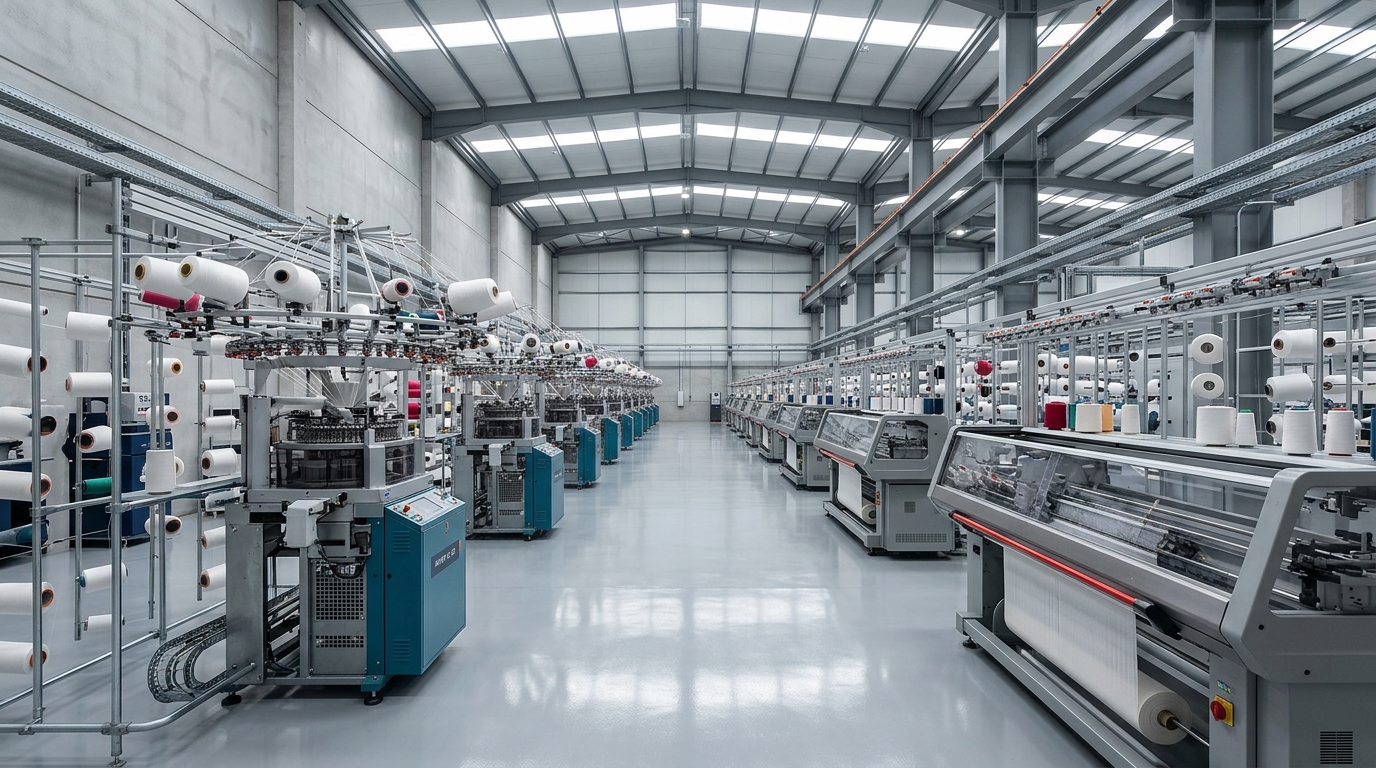
The choice of fabric is pivotal in defining a brand’s identity and quality standards. Portugal Textile’s offerings encompass a wide range of materials: GOTS-certified organic cotton, luxury combed jersey, heavyweight loopback French Terry, and advanced Tencel/Lyocell blends. These materials are processed using state-of-the-art machinery such as Mayer & Cie circular knitting machines and Fong’s low-liquor ratio dyeing systems, ensuring precision and sustainability.
| Fabric Type | Typical GSM | Best Applications | Typical MOQs |
|---|---|---|---|
| Organic Cotton Jersey | 220–280 GSM | T-Shirts, Dresses | Customized per project |
| Loopback French Terry | 400–500+ GSM | Sweatshirts, Hoodies | Customized per project |
| Double-Face Interlock | 320–380 GSM | Outerwear, Jackets | Customized per project |
| Tencel/Lyocell Blends | Varies | Eco-friendly Apparel | Customized per project |
The Ave Valley Ecosystem: A Textile Powerhouse
Northern Portugal’s textile industry is centered around the Ave Valley, a region renowned for its textile innovation and craftsmanship. Barcelos leads in knitting and jersey production, while Guimarães is synonymous with weaving and finishing, leveraging its rich heritage in these domains. Famalicão specializes in technical textiles and outerwear, creating a diversified manufacturing landscape that caters to a wide array of apparel categories.
This regional synergy is further enhanced by Portugal Textile’s streamlined operations. By acting as a single point of contact, they simplify the sourcing process, enabling brands to focus on design and marketing while ensuring high standards of quality control, eco-packaging, and logistics.
Economics and Logistics: Efficiency in Motion
From an economic standpoint, Portugal Textile offers flexible MOQs tailored to specific project needs, a significant advantage for emerging and scaling brands. The sampling process is agile, with a turnaround time of 2–3 weeks, while bulk production varies between 4–8 weeks depending on project scope. The logistical advantage of 48–72h road transit across mainland Europe, compared to the 35+ days shipping from Asia, provides a strategic edge in time-sensitive fashion markets such as Paris, London, and Berlin.
Tailored to support emerging and scaling brands.
Ensuring sustainable and safe textile production.
Rapid transit time to key fashion capitals.
Executive Strategic Outlook
Northern Portugal’s textile industry, with its blend of tradition and innovation, offers a compelling proposition for luxury streetwear and sustainable apparel brands. Portugal Textile stands at the forefront, not merely as a manufacturer but as a partner in development and execution. By leveraging local expertise and cutting-edge technology, brands can achieve unparalleled quality and speed-to-market, positioning themselves strategically in the competitive landscape of global fashion.