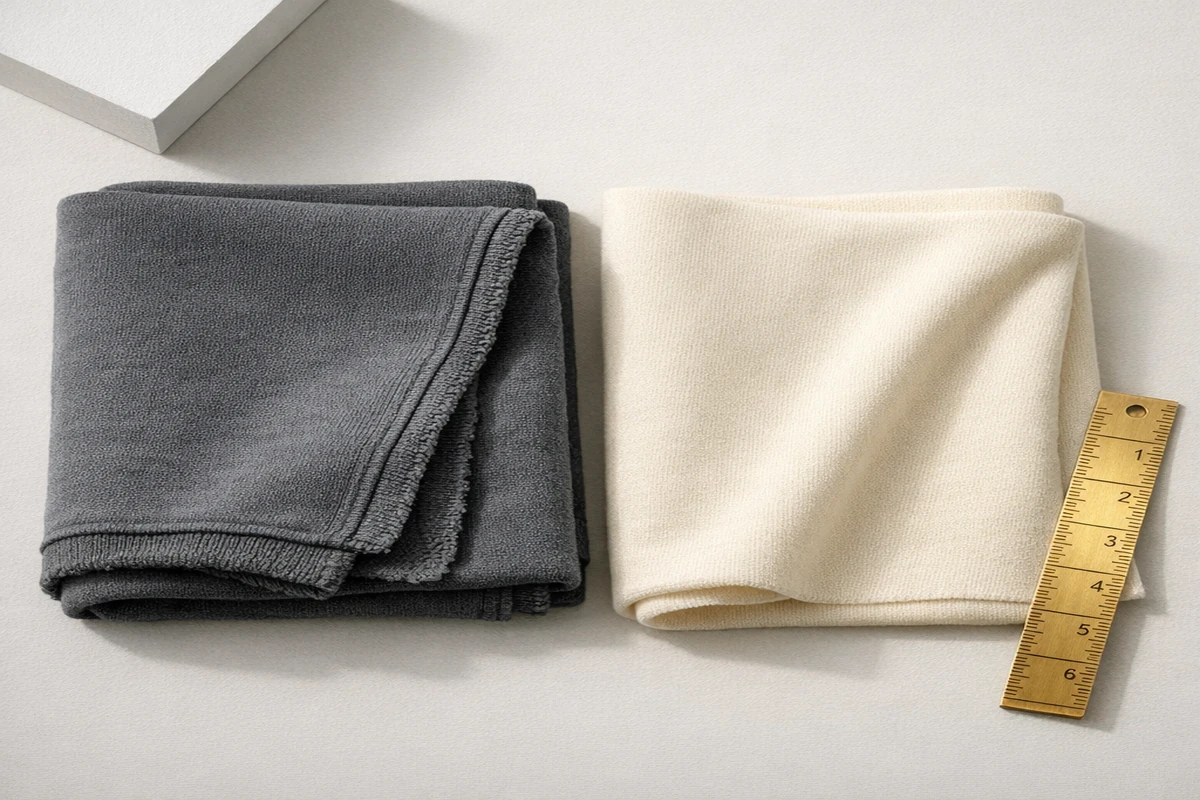
Executive Summary: Streetwear Fabric Weights & GSM Engineering
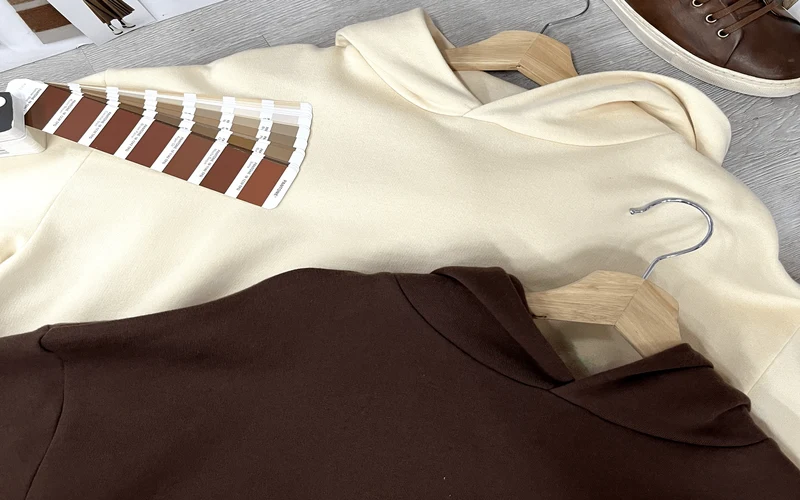
- The Shift to Heavyweight Knits: Contemporary high-end streetwear has permanently transitioned from standard commercial blanks (160–180 GSM) to structured luxury silhouettes: 240–300 GSM for oversized t-shirts and 400–550+ GSM for architectural hoodies.
- Yarn Selection & Drape: Fabric weight alone does not equal luxury; yarn spinning matters. Portuguese circular knitters prioritize combed compact ring-spun cotton (16/1 and 20/1 singles) over coarse open-end yarns to prevent pilling while maintaining crisp structural drape.
- Zero-Shrinkage Reality: Premium streetwear requires industrial pre-shrinking, enzyme washing, and reactive piece dyeing (or pigment garment dyeing) to guarantee dimensional stability (<2% residual shrinkage).
- Factory-Ready Tech Packs: You can calculate fabric consumption, specify tolerances, and generate factory-ready tech packs with our free AI Tech Pack Maker or start production directly via Create My Collection.
1. Understanding GSM: Grams Per Square Metre Explained
In technical apparel manufacturing, GSM (Grams per Square Metre) measures the areal density of a textile. While novice fashion founders frequently equate higher GSM with higher quality, experienced production directors know that GSM dictates silhouette, opacity, breathability, and drape mechanics, whereas yarn quality and knit construction dictate durability and hand-feel.
A stiff 280 GSM t-shirt made with coarse open-end carded yarn will feel rough and wash out unevenly. In contrast, a 240 GSM tee knitted with long-staple organic combed cotton on 28-gauge circular knitting machines in Northern Portugal achieves that sought-after “quiet luxury” drape: substantial, smooth against the skin, and holding its boxy drop-shoulder cut wash after wash.
| GSM Category | Weight Range | Typical Construction | Recommended Garments | Drape & Fit Silhouette |
|---|---|---|---|---|
| Standard Commercial | 160 – 190 GSM | 30/1 or 32/1 Single Jersey | Basic summer t-shirts, innerwear, promotional tees | Fluid, body-hugging, low structural rigidity |
| Premium Streetwear Tee | 220 – 260 GSM | 20/1 or 16/1 Combed Ring-Spun Jersey | Boxy oversized t-shirts, drop-shoulder tees | Structured, falls cleanly off shoulders, zero cling |
| Ultra-Heavy Luxury Tee | 280 – 320 GSM | 14/1 Jersey or Heavy Interlock | Architectural skate tees, winter layering tees | Maximum boxiness, thick collar required (2.5–3cm rib) |
| Mid-Weight Fleece / Terry | 340 – 380 GSM | 3-Thread Loopback French Terry | Year-round crewnecks, casual tracksuits, zip-ups | Flexible, breathable, medium thermal insulation |
| Luxury Streetwear Hoodie | 420 – 480 GSM | Heavyweight Diagonal Loopback or Brushed Fleece | Oversized luxury hoodies, heavy sweatpants | Substantial volume, standing hood, premium drape |
| Ultra-Heavy Monster Knit | 500 – 600+ GSM | Compact French Terry or Heavy Dual-Fleece | Limited-edition grail drops, architectural outerwear hoodies | Rigid silhouette, deep hand-feel, cold-climate statement pieces |
2. French Terry Loopback vs. Brushed Fleece: Which is Best for Streetwear?
When engineering hoodies and sweatpants above 400 GSM, brand founders must choose between Unbrushed French Terry (Loopback) and Brushed Fleece.
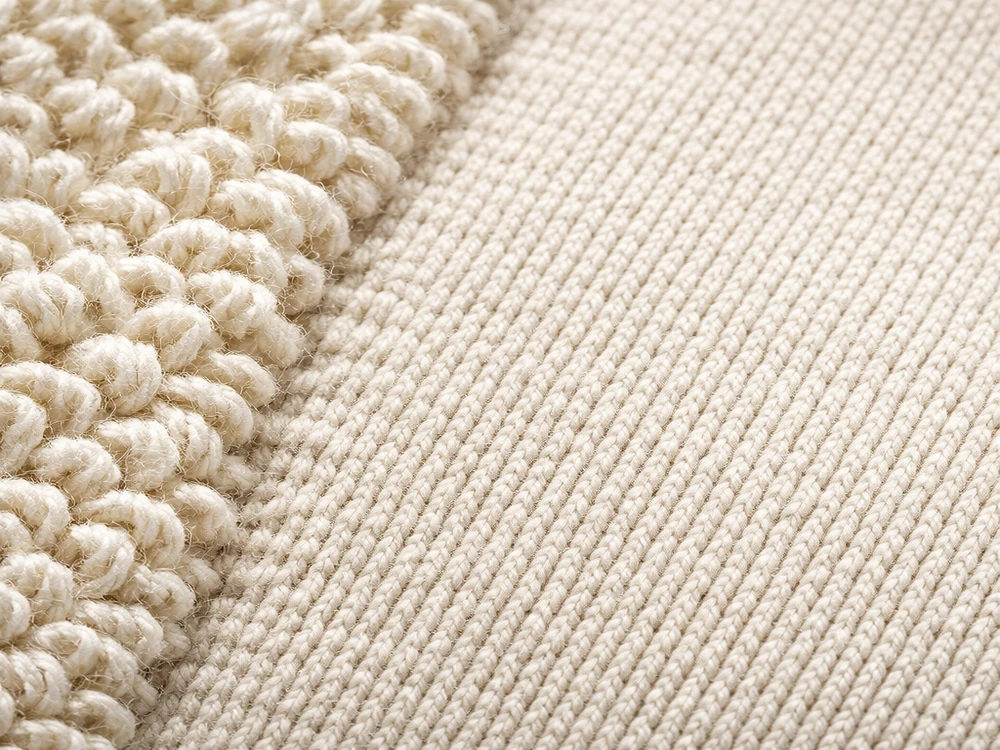
Unbrushed Loopback (French Terry)
- Structure: Distinct knitted yarn loops on the reverse side; smooth flat face on the exterior.
- Breathability: High air circulation. Ideal for all-season collections (Spring/Summer and Autumn).
- Hand-Feel: Crisp, firm, and textured. Retains rigid drape without sagging.
- Pilling Resistance: Superior; loops do not shed fibers during wash cycles.
- Preferred by: Cole Buxton, Represent, Aimé Leon Dore, Fear of God Essentials.
Brushed Back Fleece
- Structure: The internal loops are mechanically sheared and brushed into a plush, fuzzy loft.
- Thermal Insulation: Maximum heat retention; traps micro-air pockets against the skin.
- Hand-Feel: Ultra-soft, cozy, and fleece-lined immediately upon first touch.
- Visual Silhouette: Thicker and bulkier appearance on body at identical GSM.
- Preferred by: Yeezy Gap, Essentials Winter drops, Scandinavian outerwear brands.
3. The Anatomy of an Iconic 500 GSM Luxury Hoodie
To compete with high-end luxury streetwear labels, a 500 GSM hoodie requires specific pattern engineering details that cannot be found on off-the-shelf catalog blanks. Below is the exact manufacturing specification blueprint executed by our partner factories in Northern Portugal:
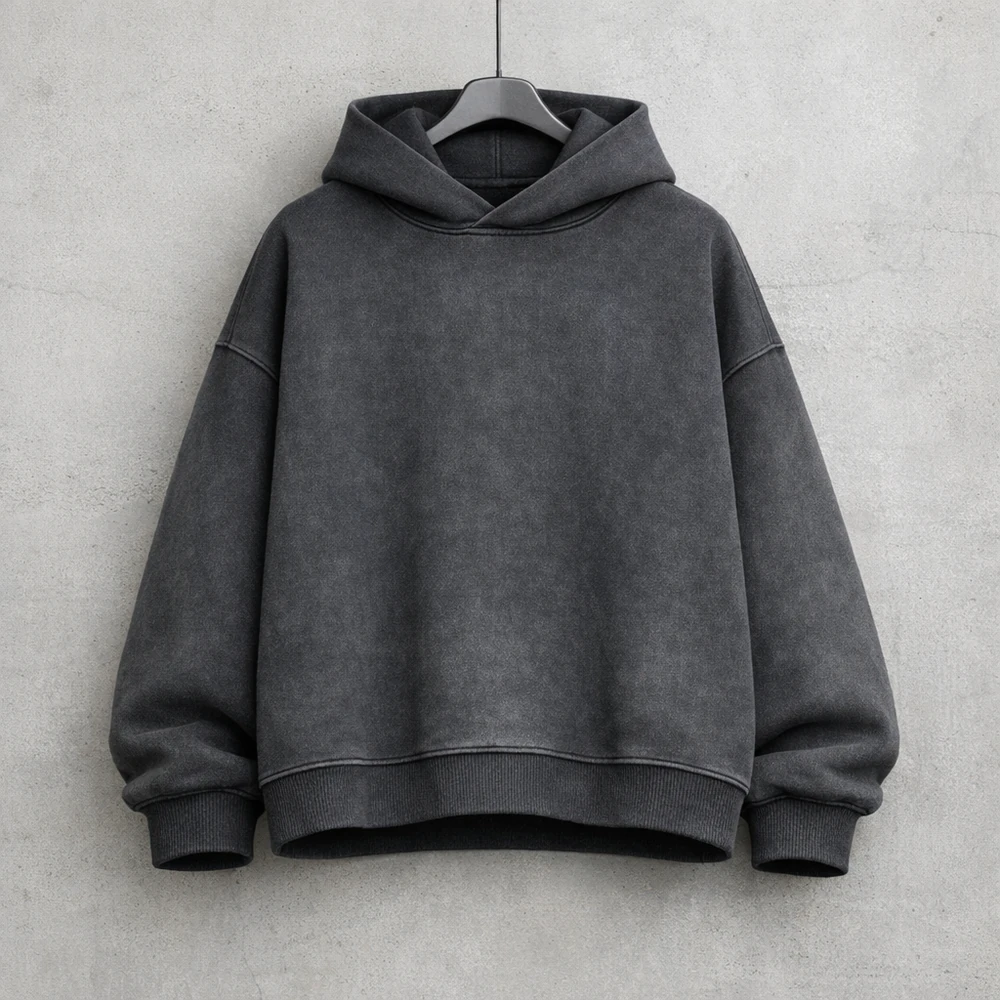
- Double-Layered Rigid Hood (No Drawstrings): Constructed with self-fabric inside and out (creating a true 1000 GSM total hood density) that stands tall around the neck without collapsing or flopping backward.
- 2×1 Heavyweight Cotton-Elastane Ribbing: Waistbands and cuffs knitted with 95% combed cotton and 5% elastane (400–450 GSM rib) to guarantee snap-back recovery without stretching or baconing.
- Dropped Shoulder & Crossover Neck: Ergonomic dropped shoulder seams with reinforced twin-needle topstitching and a 2.5cm crossover placket at the collarbone.
- Kangaroo Pocket Bartacking: Pocket entry points secured with 42-stitch bar tacks to resist tearing under tension.
- Garment Enzyme Wash & Silicon Finish: Pre-washed at 60°C to eliminate post-purchase shrinkage, remove surface impurities, and produce an ultra-luxurious peach-skin touch.
Generate Your Streetwear Tech Pack in Under 2 Minutes
Don’t spend weeks struggling with Illustrator vectors or hiring overpriced freelancers. Upload a reference sketch or photo of your dream heavyweight hoodie or t-shirt, and our automated AI tool will generate measurements, fabric callouts, and factory-ready specifications.
4. Tech Pack Specification Checklist: What to Send Your Factory
To avoid costly prototyping errors and sampling delays, your tech pack must articulate clear chemical, mechanical, and dimensional parameters. When requesting production from our Portuguese mills, include the following parameters:
Mandatory Technical Parameters for Heavyweight Streetwear:
- Fabric Composition: 100% GOTS Certified Organic Combed Cotton (or 90% Cotton / 10% Polyester for heather grey).
- Target GSM & Tolerance: e.g., 260 GSM for Tee (+/- 5%); 500 GSM for Hoodie (+/- 4%).
- Yarn Count & Gauge: e.g., 16/1 Ne combed compact yarn on 24-gauge single jersey machine.
- Collar Rib Specification: 1×1 rib with 5% Lycra/Elastane, 2.8cm rib height, twin-needle coverstitched collar join.
- Dyeing & Color Fastness: Reactive piece dye or pigment garment dye (Color fastness to washing: Grade 4 minimum under ISO 105-C06).
- Pre-Shrinkage Treatment: Calender compacting + silicone enzyme softening (residual shrinkage < 2.5% length and width).
- Packaging & Labeling: 100% biodegradable cornstarch polybags, FSC certified hangtags, and screenprinted heat-transfer neck labels.
5. Specialized Streetwear Manufacturing Clusters in Portugal
The global streetwear market looks to Northern Portugal (Barcelos, Guimarães, Famalicão, and Braga) as the premier manufacturing hub in Europe. Unlike mass-production factories in Asia or Turkey that operate on rigid 2,000+ unit minimums, Portugal Textile’s factory network provides:
- Flexible Low MOQs: Flexible MOQs tailored to your collection and growth stage.
- Certified Ethical Supply Chains: GOTS (Global Organic Textile Standard), OEKO-TEX® Standard 100, and SMETA-audited labor conditions.
- Nearshoring Speed: 2 to 4 weeks for prototype samples; 4 to 6 weeks for bulk delivery with rapid road freight throughout Europe (24–72 hours to London, Paris, Berlin, and Milan) with zero customs tariffs.
Explore Related Manufacturing Categories & Factories
Scale your streetwear label with direct access to our specialized Portuguese production facilities: