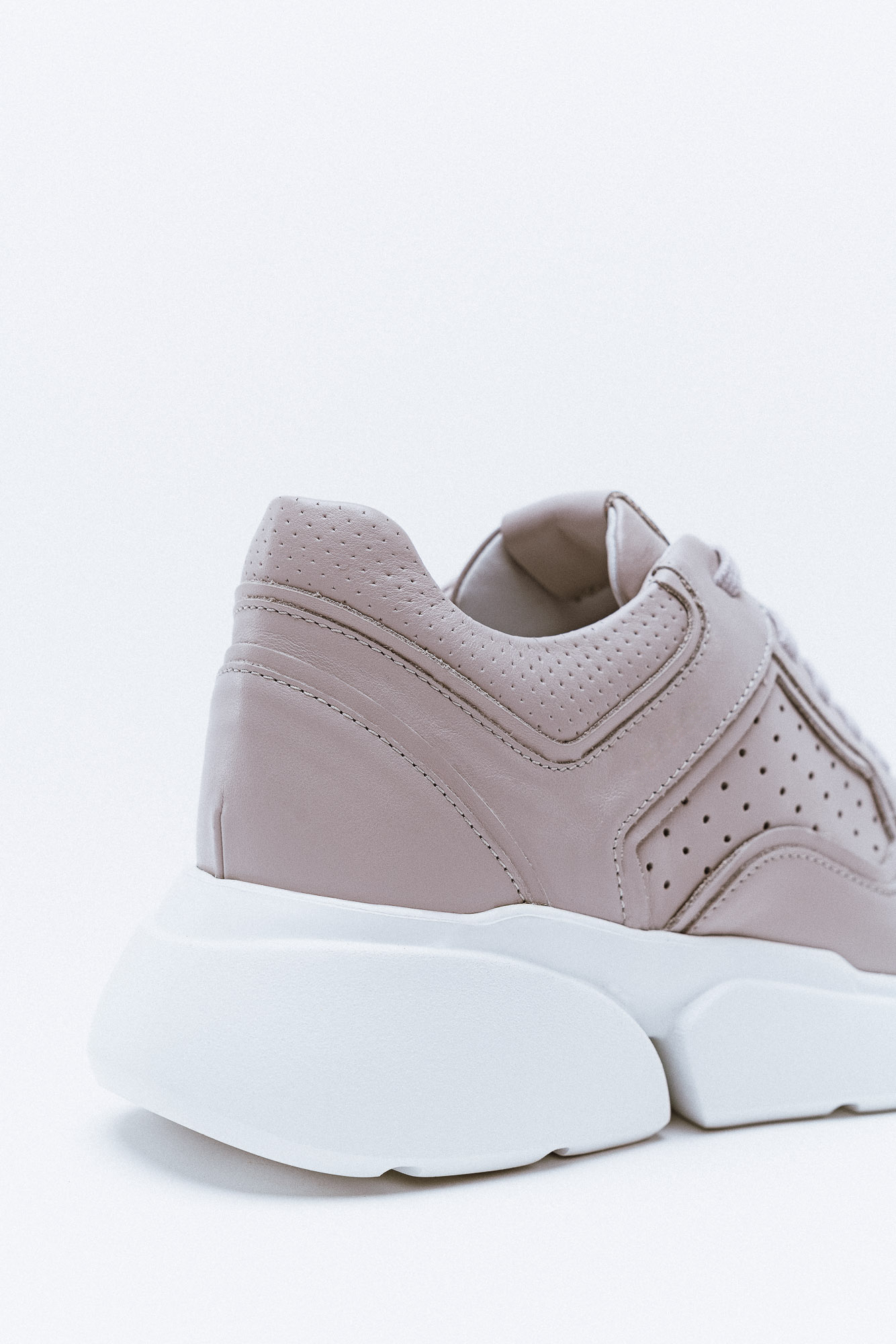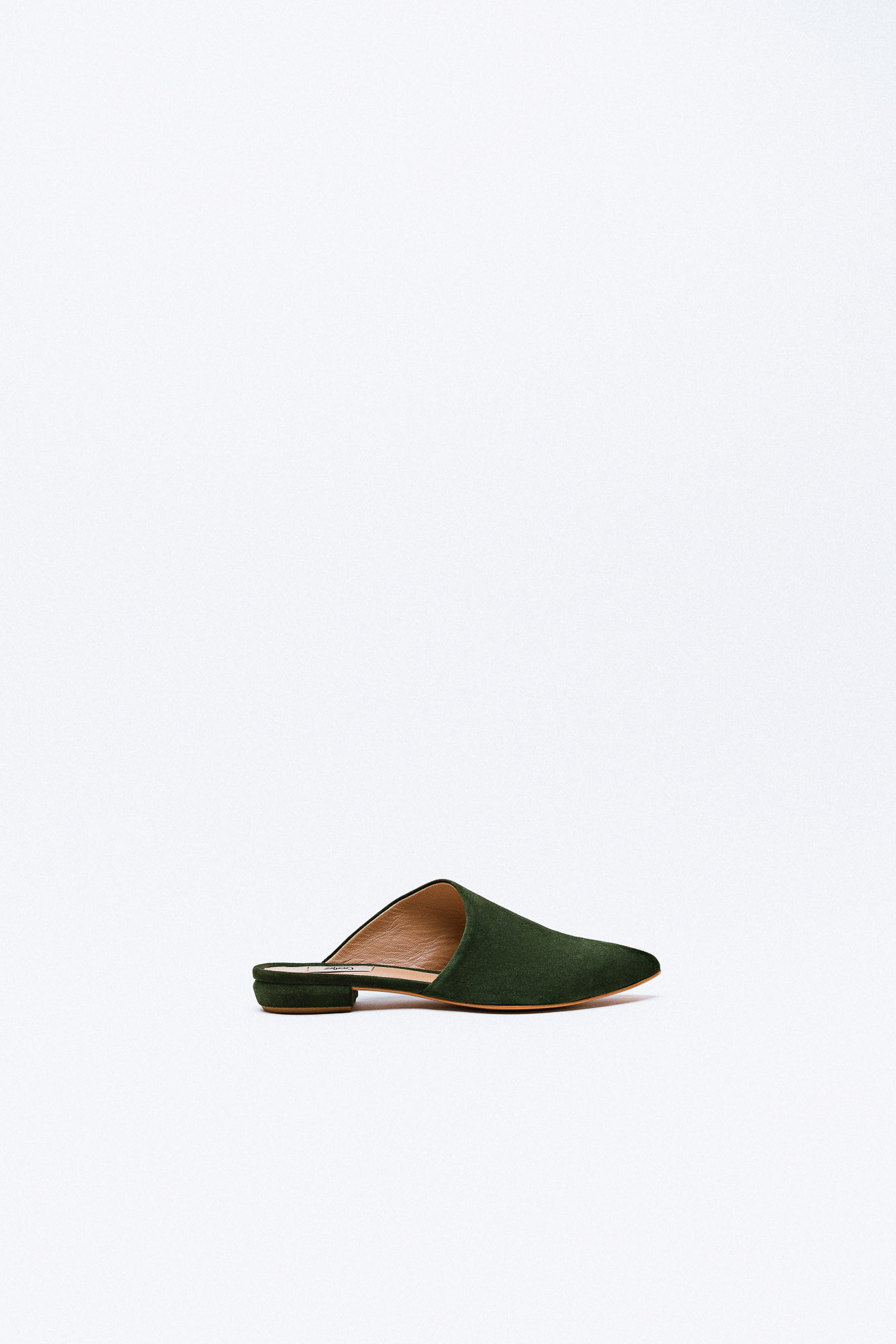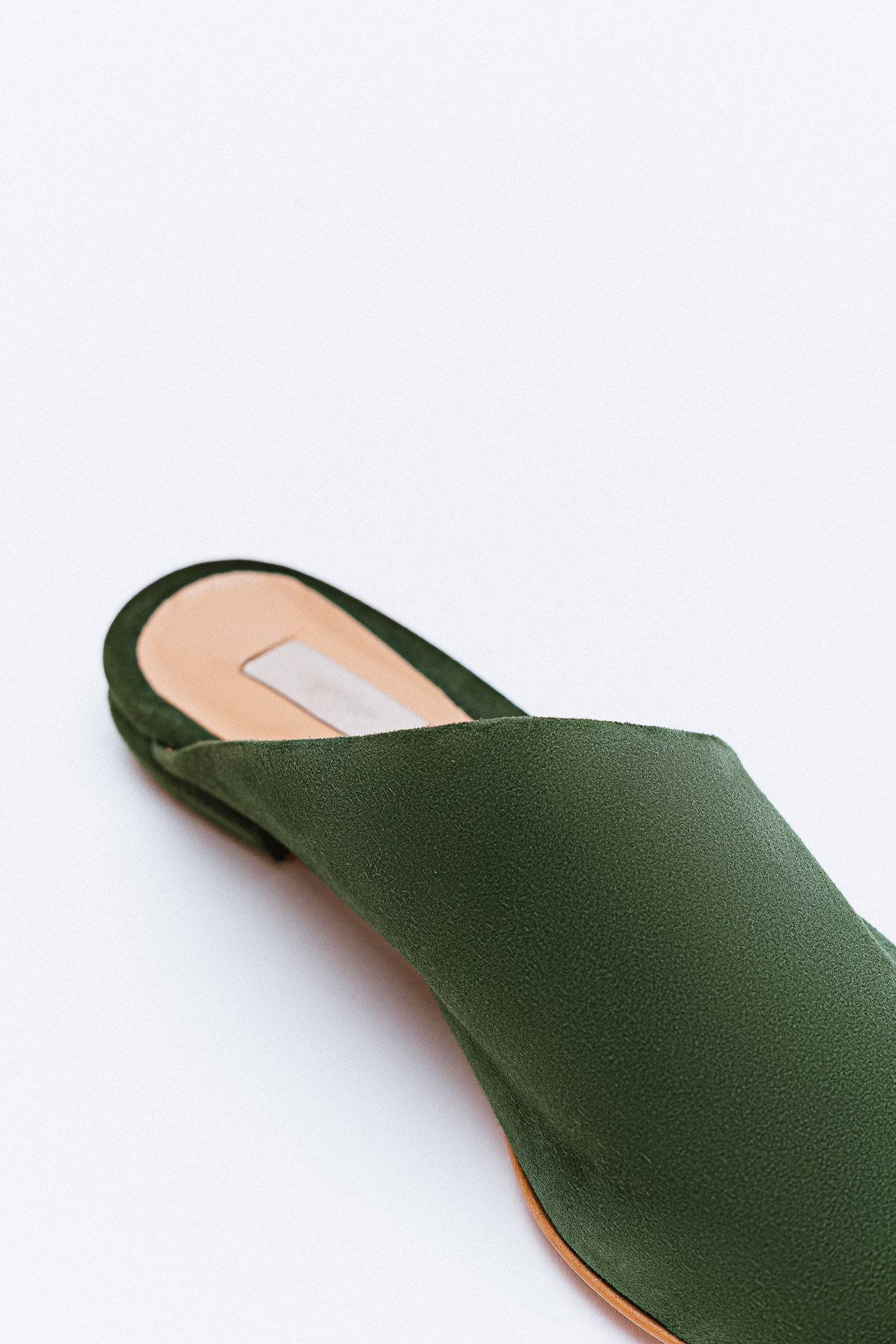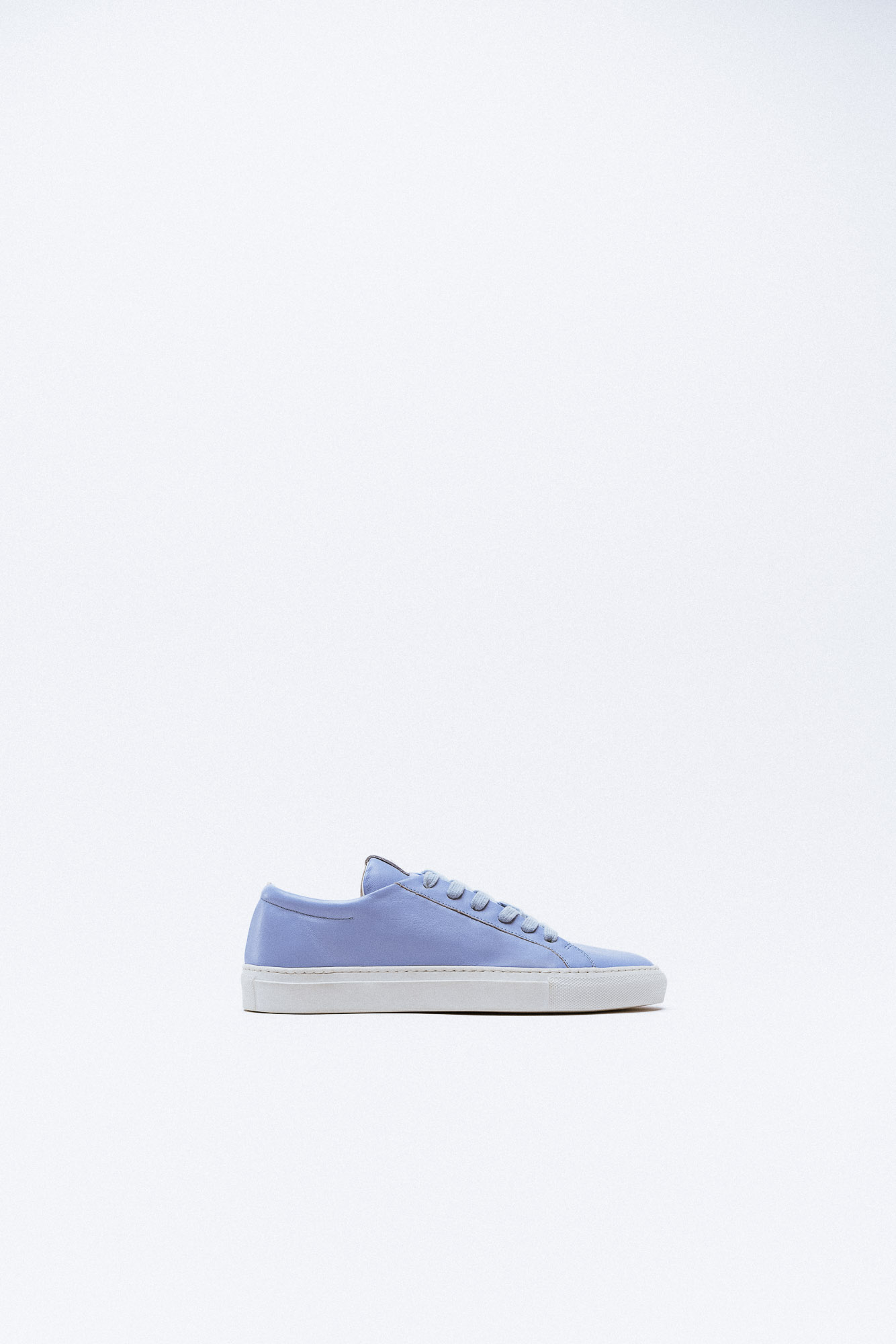
Executive Guide: How to Create a Clothing Brand with Private Label Manufacturing
- Beyond Print-on-Demand: High-growth fashion brands transition quickly from generic unbranded clothing blanks to custom private label clothing engineered from raw yarn to finished garment.
- Sourcing European Vendors: Partnering with verified clothing brand vendors in Portugal eliminates overseas customs friction, guarantees fair-trade labour standards, and delivers luxury-tier craftsmanship.
- Flexible Low MOQs: Launch your capsule line with 150–300 pieces per style through Portugal Textile’s curated network of 25+ certified Northern Portuguese ateliers.
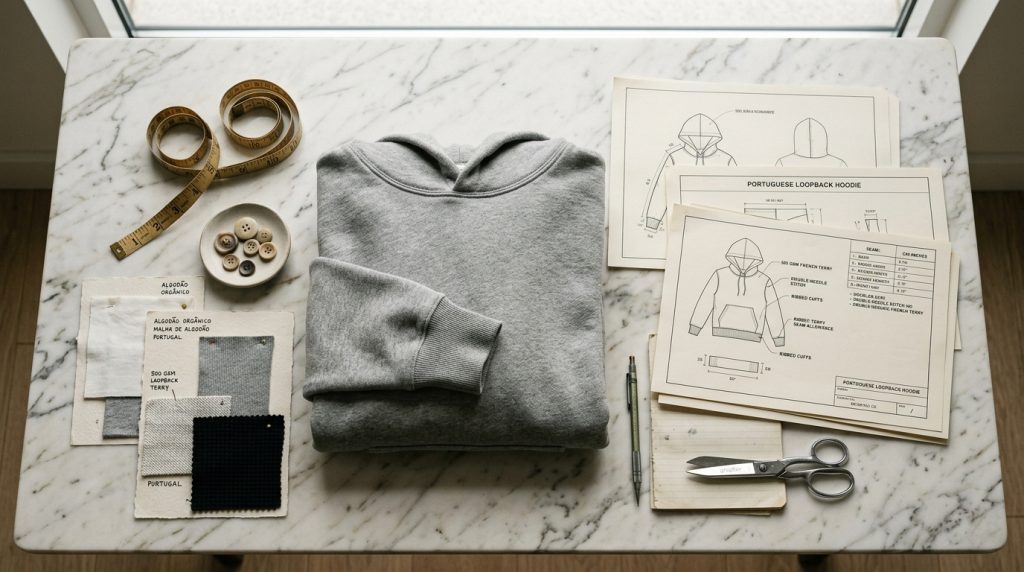
- Rapid Digital Tech Packs: Turn sketches and design ideas into factory-ready BOM specifications with our Free AI Tech Pack Maker.
| Milestone | Timeframe | Critical Deliverables | Key Cost Drivers |
|---|---|---|---|
| 1. Brand Concept & Tech Packs | Weeks 1–2 | CAD technical flats, graded size chart, Bill of Materials (BOM), trim specs | Free with AI Maker or €150/style patternmaker |
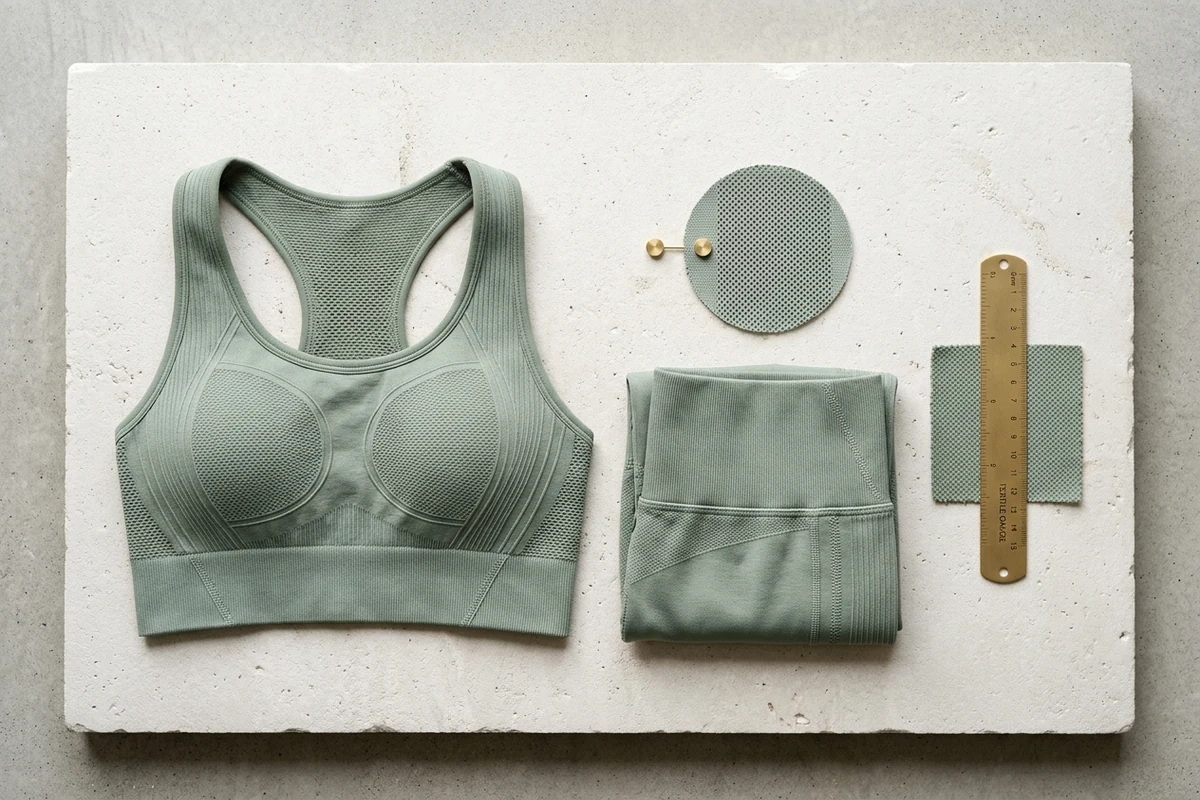
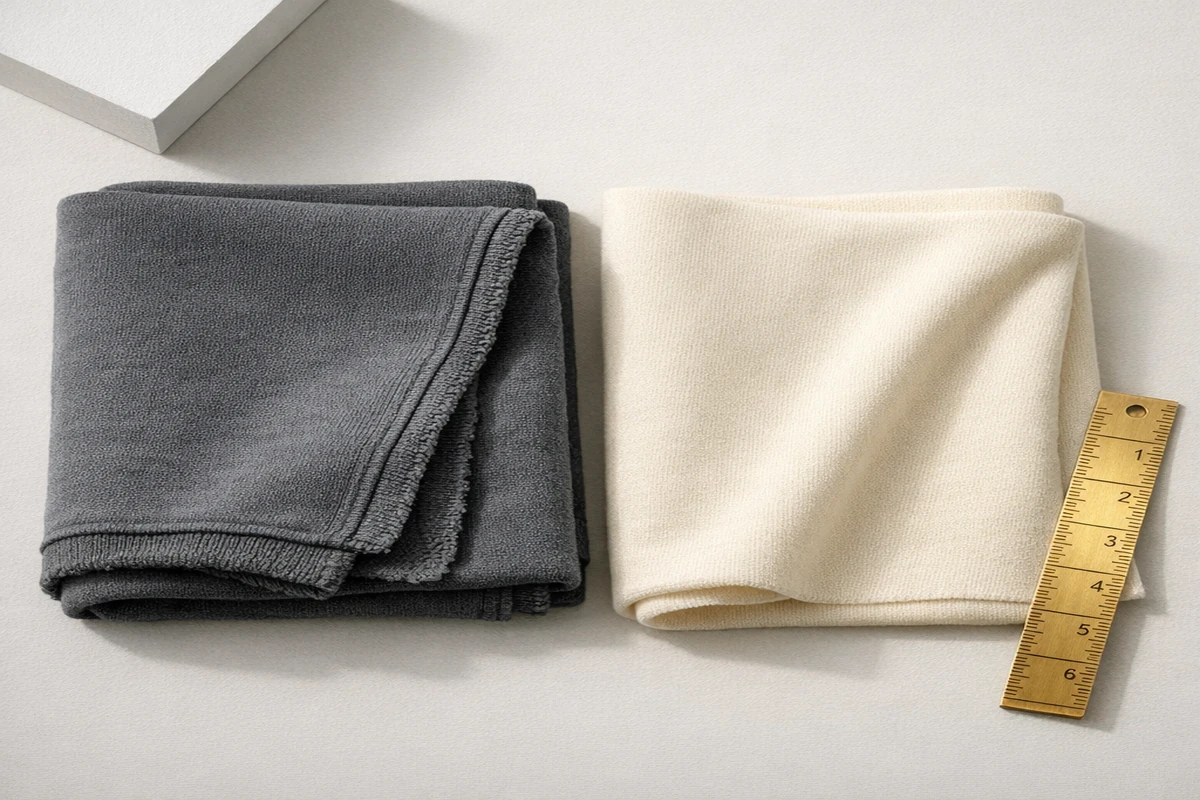
| 2. Fabric & Trim Sourcing | Weeks 3–4 | Knit & woven swatches, custom Pantone color cards, woven damask labels | Fabric test yardage & lab dips |
| 3. Fit Sampling & Prototyping | Weeks 5–7 | 1st proto sample, fit adjustments, shrink tests, Salesman Samples (SMS) | Sampling fees (credited toward bulk production) |
| 4. Bulk Production & Launch | Weeks 8–12 | Bulk cut-and-sew, AQL 2.5 quality control, barcoded polybags, EU shipping | Bulk unit costs (€12–€35 depending on garment) |
How to Create a Fashion Brand in 2026: Strategy & Sourcing Reality
Launching a successful fashion label requires much more than a logo and a Shopify store. Whether you want to create a clothing brand focused on luxury streetwear, contemporary menswear, activewear, or resort fashion, your brand’s longevity depends on product quality, fit consistency, and sustainable margins.
New founders often ask whether they should start with unbranded clothing (wholesale blanks) or invest immediately in bespoke private label clothing. While print-on-demand blanks offer a zero-inventory barrier, they suffer from thin gross margins (20-30%), generic fits, and severe lack of customer retention. In contrast, custom cut-and-sew manufacturing delivers gross margins of 65-80% and establishes genuine brand equity.
To create a clothing brand successfully: (1) Define a focused niche with a distinctive aesthetic; (2) Build technical specification sheets (tech packs) containing exact CAD drawings, grading tables, and fabric GSM; (3) Vet reliable clothing brand vendors in quality-focused textile hubs like Portugal; (4) Order and refine physical prototypes until the fit is flawless; and (5) Produce low-MOQ production runs (150–300 units) to protect cash flow while capturing healthy 70%+ gross margins.
Comparing Production Models: Unbranded Blanks vs Private Label Cut & Sew
| Criteria | Unbranded Clothing Blanks | Custom Private Label (Portugal Textile) |
|---|---|---|
| Pattern & Fit Customization | Zero (Fixed generic sizing from third-party catalog) | 100% Bespoke CAD patterns, custom grading, unique silhouettes |
| Fabric & GSM Control | Restricted to standard off-the-shelf catalog stocks | Custom knit/weave, custom weight (e.g. 240 GSM jersey, 480 GSM French Terry) |
| Dyeing & Washing | Standard stock colors only | Custom Pantone matching, vintage mineral wash, acid wash, garment dye |
| Gross Profit Margin | 25% – 45% (High blank acquisition cost relative to retail) | 65% – 82% (Direct factory pricing at scale) |
| Minimum Order Quantity | 1 – 20 pieces | 150 – 300 pieces per style / color |
How to Select Reliable Clothing Brand Vendors
When searching for clothing brand vendors, emerging brands frequently face two extremes: Asian mega-factories requiring 2,000+ units per style with 4-month transit times, or drop-shipping middlemen with zero quality control. Northern Portugal offers the ideal sweet spot for independent fashion brands:
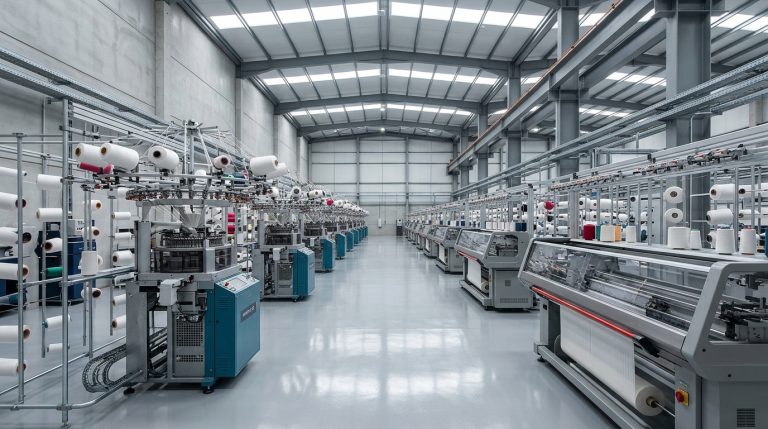
- Full-Package Production (FPP): The factory coordinates everything—yarn sourcing, knitting/weaving, cutting, sewing, dyeing, finishing, branding, and packaging.
- AQL 2.5 Quality Standards: Strict statistical inspection ensures seam integrity, colorfastness, and dimensional stability.
- Sustainable Pedigree: Solar-powered facilities, water-recycling closed-loop dye houses, and OEKO-TEX® certified chemistry that builds consumer trust.
Turn Your Fashion Concept Into Reality
Portugal Textile handles technical development, factory vetting, sampling, and low-MOQ bulk manufacturing for high-potential clothing brands.
{
“@context”: “https://schema.org”,
“@type”: “FAQPage”,
“name”: “FAQ: How to Create a Clothing Brand: The Step-by-Step Private Label Manufacturing Guide”,
“url”: “https://portugaltextile.com/how-to-create-a-clothing-brand-guide/”,
“mainEntity”: [
{
“@type”: “Question”,
“name”: “What is the difference between unbranded clothing blanks and custom private label?”,
“acceptedAnswer”: {
“@type”: “Answer”,
“text”: “Unbranded clothing refers to generic stock garments produced in bulk where you only sew in a custom neck tag. Custom private label cut-and-sew manufacturing allows complete control over patterns, fabrics, GSM, custom pantone colors, and branding.”
}
},
{
“@type”: “Question”,
“name”: “How much capital do you need to create a clothing brand?”,
“acceptedAnswer”: {
“@type”: “Answer”,
“text”: “A capsule collection of 3-4 custom styles with 150-200 units per style manufactured in Portugal typically requires an initial production budget of u20ac4,000 to u20ac8,000, including sampling and tech packs.”
}
},
{
“@type”: “Question”,
“name”: “How do you find trustworthy clothing brand vendors in Europe?”,
“acceptedAnswer”: {
“@type”: “Answer”,
“text”: “Vet manufacturers by verifying their certifications (OEKO-TEX, GOTS, SMETA), reviewing physical sample quality, inspecting contract terms for AQL 2.5 defect tolerances, and choosing full-package production (FPP) partners.”
}
}
]
}